Knowing When to Call a Plumber
Have you ever been woken up in the middle of the night by the ominous sound of dripping water, only to find a puddle forming under your sink? Or have you ever been perplexed by a toilet that just won’t flush properly, no matter how many times you reach for the plunger? These are the moments that make us wonder: is it time to call a plumber?
Understanding when to enlist the help of a professional plumber is crucial, not only for the health of your plumbing system but also for the safety and well-being of your home. In this post, we will guide you through the tell-tale signs that indicate a plumbing problem is beyond a DIY fix, the risks of attempting repairs on your own, the benefits of hiring a professional, and how to choose the right one for your needs.
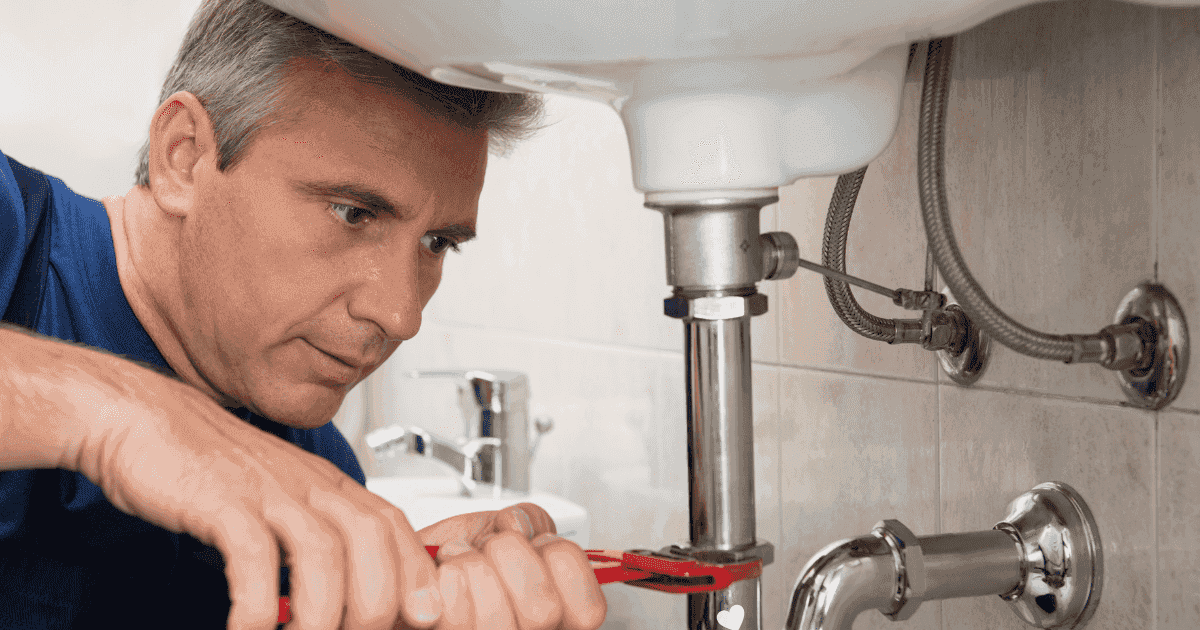
Common Signs You Need a Plumber
Persistent Clogs
While a single clogged drain can often be resolved with a plunger or a drain cleaner, recurring clogs are a different story. If you find yourself repeatedly dealing with blocked sinks, showers, or toilets, it's a clear sign that there's a deeper issue in your plumbing system. Persistent clogs can indicate obstructed sewer lines or even deeper blockages that require professional attention.
Water Pressure Issues
Low water pressure in your faucets or shower can be more than just an annoyance; it often signals underlying problems in your plumbing. This issue can be caused by a variety of factors, including pipe corrosion, hidden leaks, or even problems with the municipal water supply. A professional plumber can diagnose the cause and suggest the most effective solution.
Water Stains or Damage
Unexplained water stains on your ceilings or walls, or a musty smell in certain areas of your home, could be indicative of hidden leaks. These leaks, if left unaddressed, can lead to significant water damage and even mold growth. Identifying and fixing hidden leaks is a job for a skilled plumber who can locate the source without causing further damage to your property.
Strange Noises in Pipes
Sounds like banging, whistling, or gurgling coming from your pipes are not just eerie—they're also potential signs of plumbing issues. These noises can indicate trapped air, loose fittings, or even deteriorating pipes. Diagnosing and fixing these issues often requires the expertise of a plumber.
The Risks of DIY Plumbing Repairs
Potential for Worsening the Problem
It's tempting to try and fix plumbing issues on your own, especially with the plethora of DIY tutorials available. However, without the proper training and tools, it's easy to turn a minor issue into a major problem. Incorrect repairs can lead to leaks, water damage, and even more complex plumbing issues that can be costly to rectify.
Safety Concerns
Plumbing work often involves dealing with water and electricity, a combination that can be hazardous without proper precautions. There's also the risk of exposure to harmful substances or creating situations that could lead to mold growth. Professional plumbers are trained to handle these risks safely and effectively.
Cost Implications
While DIY repairs might seem cost-effective initially, they can end up being more expensive in the long run. Improper fixes can lead to recurring problems or more severe issues that will require professional intervention eventually. Hiring a plumber from the start can save both time and money by ensuring the problem is resolved correctly and efficiently.
Benefits of Hiring a Professional Plumber
Expertise and Experience
Professional plumbers have the training, experience, and tools needed to diagnose and repair plumbing issues effectively. They are equipped to handle a wide range of problems, from simple leaks to complex sewer line issues, ensuring that the job is done right the first time.
Efficiency and Reliability
When you hire a professional plumber, you benefit from their expertise in quickly identifying and fixing the problem. They can also provide reliable solutions that prevent future issues, giving you peace of mind and saving you from repeated repairs.
Long-term Solutions
Professional plumbers not only fix the immediate problem but also look for underlying issues that could cause future complications. They offer long-term solutions that ensure the durability and efficiency of your plumbing system, ultimately protecting your home investment.
How to Choose the Right Plumber
Licensing and Insurance
When selecting a plumber, it's essential to verify their licensing and insurance. A licensed plumber has met the required training and qualifications, ensuring that they are knowledgeable and capable. Insurance, on the other hand, protects both you and the plumber in case of accidents or damage during the repair process.
Reviews and Recommendations
One of the best ways to gauge the reliability and quality of a plumber's work is through reviews and recommendations. Check online reviews, ask for testimonials, or get recommendations from friends or family. This feedback can provide insights into the plumber’s work ethic, professionalism, and customer service.
Estimates and Transparency
Before hiring a plumber, ask for an estimate. A reputable plumber will provide a clear and detailed quote, explaining the work needed and the associated costs. Transparency about pricing and the repair process is crucial to avoid any unexpected charges or misunderstandings.
Frequently Asked Questions (FAQs)
How Often Should I Have My Plumbing Inspected?
Regular inspections can prevent many common plumbing issues. It's recommended to have a professional plumber inspect your home's plumbing system at least once every two years. However, if your home is older or you've experienced previous plumbing issues, more frequent inspections might be necessary.
What Are Some Easy Maintenance Tips to Prevent Plumbing Problems?
- Prevent Clogs: Avoid pouring grease, oil, or food scraps down your drains. Use drain strainers to catch hair and debris.
- Watch for Leaks: Regularly check under sinks and around toilets for any signs of leaks.
- Insulate Pipes: To prevent freezing in colder climates, insulate exposed pipes.
- Regularly Check Water Pressure: High water pressure can cause strain on your pipes. Using a pressure gauge, ensure your home's water pressure is within a safe range.
Can I Fix a Leaky Faucet on My Own?
Yes, a leaky faucet is often a manageable DIY task. It usually involves replacing a washer or a cartridge inside the faucet handle. However, if the leak persists after your attempt to fix it, it might be a sign of a more complex issue, and you should consider calling a professional.
What Should I Do in Case of a Plumbing Emergency?
In a plumbing emergency, such as a burst pipe, the first step is to shut off the main water supply to prevent further damage. After that, call a professional plumber immediately. Avoid trying to fix major emergencies on your own, as this can often lead to further damage.
Is It Necessary to Replace Old Pipes?
The need to replace old pipes depends on the material and condition. Materials like galvanized steel or iron can corrode over time and may need replacement. Regular inspections can help determine the condition of your pipes and whether replacement is necessary for safety and efficiency.
What's the Difference Between Hard Water and Soft Water, and Does It Affect Plumbing?
Hard water contains high levels of minerals like calcium and magnesium, while soft water has fewer minerals. Hard water can lead to scale buildup in pipes and appliances, reducing efficiency and lifespan. Softening your water can help prevent these issues and extend the life of your plumbing system.
How Can I Tell if My Home Has a Hidden Leak?
Signs of a hidden leak include:
- Unexplained increase in water bills.
- Musty odors or damp spots on floors or walls.
- The sound of running water when all taps are off.
- Mildew or mold growth in unusual places. If you notice any of these signs, it's advisable to call a plumber for a leak detection service.
Are Chemical Drain Cleaners Safe to Use?
While chemical drain cleaners can be effective for minor clogs, they can also be harsh on your pipes and potentially hazardous to your health if used improperly. Overuse can lead to pipe damage. For persistent clogs, it's safer to use a plunger, a plumber's snake, or seek professional help.
How Do I Prevent Frozen Pipes in Winter?
To prevent pipes from freezing:
- Keep your home at a consistent temperature day and night.
- Insulate exposed pipes, especially those in unheated areas.
- Allow faucets to drip slightly during extremely cold weather to keep water flowing.
- Seal any cracks or holes in exterior walls near pipes.
When Should I Replace My Water Heater?
Water heaters typically last 8-12 years. Signs that it might be time for a replacement include:
- Inconsistent water temperature.
- Rust-colored water.
- Rumbling noises from the heater.
- Leaks around the base of the heater. Regular maintenance can extend the life of your water heater, but if you experience these issues, consider consulting a plumber for an assessment.
Conclusion
Recognizing when to call a plumber and understanding the importance of professional plumbing services is vital for maintaining the health and safety of your home. From persistent clogs and low water pressure to the risks of DIY repairs and the benefits of expert solutions, we’ve covered the essential aspects that homeowners should be aware of. If you're experiencing any of the signs mentioned, it's wise to reach out to a professional plumber. They can provide efficient, safe, and long-lasting solutions to your plumbing woes, ensuring your home's plumbing system functions optimally.
Remember, the key is not just to fix the problem but to safeguard your home against future plumbing issues. So, the next time you’re faced with a plumbing dilemma, consider the signs and remember the value of professional expertise.
Call us now at 1-888-966-8711