Maintaining Your Septic System: Essential Tips and Best Practices
When it comes to household maintenance, your septic system may not always be at the forefront of your mind. However, overlooking it can lead to significant issues that can be costly and inconvenient to resolve. Proper care and maintenance of your septic system are crucial for its efficiency, longevity, and the safety of your environment. This guide provides you with essential tips and best practices to ensure your septic system remains in top condition.
Understanding Your Septic System
How It Works
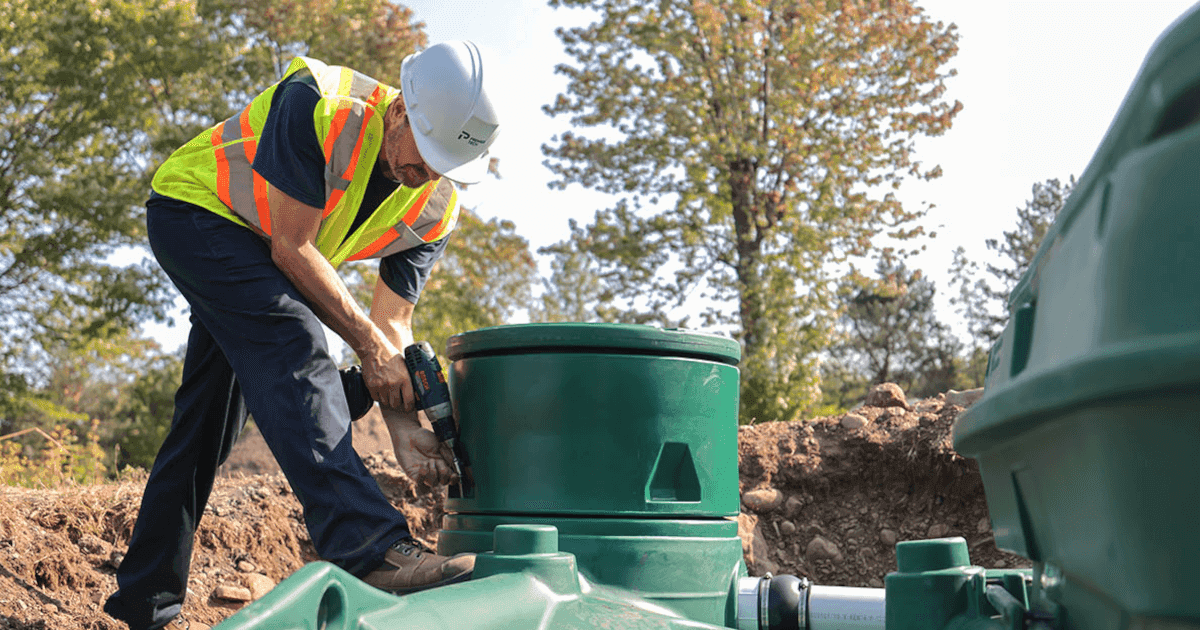
A typical septic system consists of a septic tank and a drain field. Wastewater from your home flows into the septic tank, where solids settle at the bottom and lighter materials float to the top. The liquid effluent then flows into the drain field, where it is naturally filtered by the soil. Understanding this process is key to recognizing the importance of regular maintenance.
Importance of Regular Maintenance
Regular maintenance of your septic system is vital for several reasons. It prevents sewage backups into your home, protects your property value, and safeguards groundwater from contamination. A well-maintained septic system also saves you money by avoiding costly repairs and replacements.
Regular Inspection and Pumping
Inspection Frequency
Experts recommend having your septic system inspected by a professional at least once every three years. These inspections can identify potential issues before they become serious problems, ensuring the system operates efficiently.
Pumping Schedule
The frequency of septic tank pumping depends on the size of your tank and the number of people in your household. Generally, it's advised to pump your septic tank every three to five years. Regular pumping prevents the build-up of solids in your tank, which can clog the drain field and lead to system failure.
Efficient Water Use
Reducing Water Waste
Excessive water use puts extra strain on your septic system. Simple changes like fixing leaky faucets, installing low-flow fixtures, and using water-efficient appliances can significantly reduce the water load on your septic system. Additionally, spreading out water usage, such as doing laundry over several days rather than all at once, can prevent your system from becoming overloaded.
Proper Water Disposal
Be mindful of what goes down your drains. Avoid disposing of hazardous chemicals, paints, or high volumes of water from hot tubs into your system, as they can disrupt the delicate balance needed for your septic to function properly.
What Not to Flush
Harmful Substances
Your septic system is not a trash can. Non-biodegradable items like wipes, feminine hygiene products, condoms, and even so-called "flushable" wipes can clog your system. Similarly, household chemicals, medications, and cooking grease can damage your septic system and contaminate groundwater.
Safe Alternatives
Instead of flushing these items, dispose of them properly in the trash or through local waste management services. For chemicals and medications, look for community disposal programs to ensure they are handled safely.
Protecting the Drain Field
Landscaping Do's and Don'ts
The area over your drain field should be clear of heavy objects and deep-rooted plants. Grass is the best cover, as it helps with evaporation and prevents erosion. Avoid planting trees near the drain field as their roots can damage the pipes.
Preventing Physical Damage
Never drive or park vehicles over your drain field. The weight can compact the soil and crush the pipes, leading to system failure. Also, keep livestock and heavy equipment away from this area.
Recognizing and Addressing Problems
Warning Signs
Be vigilant for signs that your septic system is not functioning properly. These include:
- Slow draining sinks and toilets.
- Gurgling sounds in the plumbing.
- Unpleasant odors around the septic tank or drain field.
- Wet spots or standing water in the drain field area.
- Sewage backups in your home.
These symptoms can indicate a range of issues, from a full tank to a blocked drain field.
Immediate Steps and Professional Help
If you notice any of these warning signs, reduce your water usage immediately and call a professional. Septic system issues can rapidly worsen, leading to more extensive and expensive repairs. Regular maintenance can prevent many of these problems, but when they do occur, professional assessment and intervention are crucial.
Frequently Asked Questions (FAQs)
Can I Use Additives in My Septic System?
There is debate about the effectiveness and necessity of septic system additives. Some argue they help maintain the bacterial balance, while others believe they are unnecessary and could even harm the system. It's best to consult with a septic system professional before using any additives. Regular pumping and proper usage are often sufficient for maintaining a healthy system.
How Do I Locate My Septic Tank?
If you're not sure where your septic tank is located, start by checking your home's plot plans or property inspection records. The tank is usually located at least five feet from your house, in a straight line from where the sewer pipe exits your home. If you still can't locate it, a septic service provider can help you find it using specialized equipment.
Is It Safe to Plant a Garden Near My Septic System?
Planting a garden near your septic system, especially the drain field, requires caution. Avoid deep-rooted plants or trees near the area as roots can damage pipes. It's generally safe to plant grass or shallow-rooted flowers. However, avoid planting edible plants over or near the drain field due to potential contamination risks.
How Can I Tell if My Septic System is Overloaded?
Signs of an overloaded septic system include slow drains, gurgling sounds in plumbing, sewage odors, and water pooling in the drain field area. Overloading can occur due to excessive water use, improper disposal of non-biodegradable items, or lack of regular maintenance.
Should I Avoid Using Garbage Disposals with a Septic System?
Garbage disposals can increase the amount of solids in your septic tank, potentially leading to more frequent pumping needs. If you use a disposal, choose a model designed for septic systems and use it sparingly. Composting kitchen scraps is a more septic-friendly option.
Conclusion
Taking care of your septic system is an integral part of maintaining a healthy home environment. By understanding how your system works, adhering to regular inspection and pumping schedules, being mindful of water usage, and knowing what not to flush, you can ensure the longevity and efficiency of your septic system. Remember, a little attention goes a long way in preventing costly and unpleasant septic system failures. Treat your septic system with care, and it will serve you well for many years.